
Following up on an unpaid invoice without awkwardness or misses
The work is delivered, the invoice is sent, and then nothing. Following up on an unpaid invoice makes almost everyone uncomfortable, which is exactly why we wait too long. Here is a simple way to go about it without upsetting the client.
Kitobiz · 4 min read · Lire en français

The Friday you put off the call again
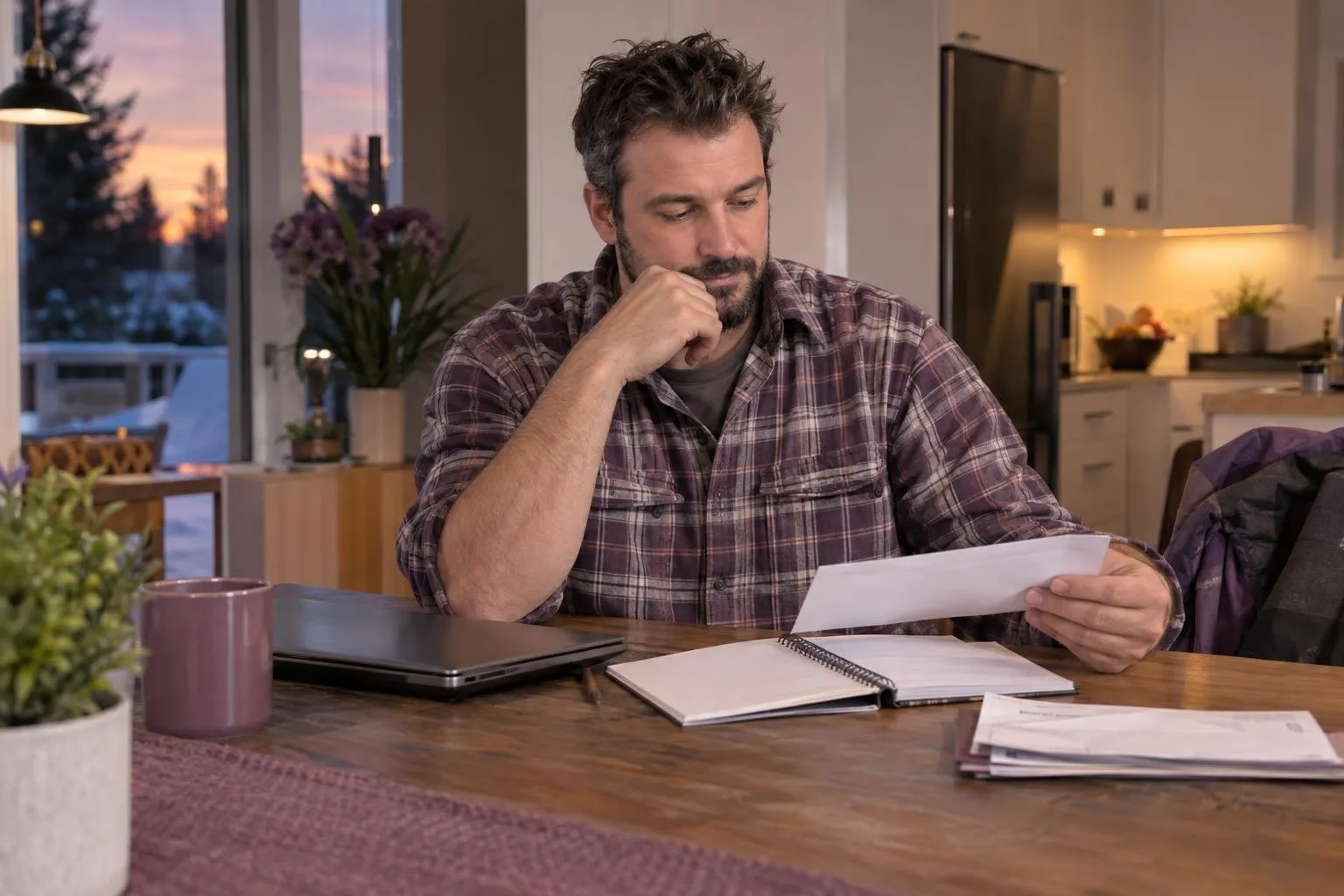
The job wrapped up three weeks ago. The invoice went out the next day, the client replied that they would take care of it, and then nothing. Every Friday, the renovation contractor promises himself he will call; every Friday, he finds a good reason to leave it until Monday.
It is a familiar scene among self-employed workers and small businesses in Quebec. Nobody enjoys following up on an unpaid invoice: you worry about offending a good client, you are not sure of the due date, you cannot find the original email. Meanwhile, the money you are counting on does not come in.
Following up on an unpaid invoice: why we wait too long
A late payment is rarely about bad faith. Most of the time, the invoice got lost in an inbox, it is waiting for an approval, or the client simply forgot. What turns an oversight into a problem is the silence of the person waiting to be paid.
That silence almost always has the same causes.
- Discomfort: you are afraid of seeming pushy with a client you want to keep.
- Scattered information: the invoice is in one folder, the due date in another, the conversation in your email.
- The blank page: every time, you have to find the right words, neither too curt nor too timid.
- Forgetting: no date was set to review the file, and the weeks go by.

What a reminder that never goes out really costs
A massage therapist waiting on three payments at once still pays her rent, her supplies and her insurance. Without choosing to, she is financing her clients’ cash flow. The longer the delay, the harder it is to plan the following month.
Time also works against the file itself. After a few weeks, the client remembers the work less clearly, questions come up, and a conversation that would have taken two minutes becomes a negotiation. A reminder sent early is almost always simpler for both sides.
A four-step method
People who get paid without drama have one thing in common: they do not decide case by case. They always follow the same path, which takes the emotion out of it.
- Review your invoices on a set day, once a week: paid, expected, due soon, overdue.
- Write on the first day an invoice is late, not a month later: an early reminder reads as diligence, not impatience.
- Stick to the facts: the invoice number, the amount, the due date and how to pay. Nothing else.
- Note what was sent and the date of the next follow-up, so you never wonder where the file stands.
In Kitobiz, the reminder is ready and you decide
Kitobiz applies this method for you. Your invoices are sorted in one place by status: paid, expected, due soon or overdue. At a glance, you see which ones need action today.
For each overdue invoice, the reminder is prepared from the file: the right client, the right amount, the right due date. It only goes out after you have reviewed it. You stay in control of the tone and the timing, without starting from a blank page.
On their side, clients find their invoice in their client portal, along with their quotes, receipts and appointments. If you have connected your Stripe account, they can pay through a secure link, which removes one more excuse for the delay.

The right tone: firm on the facts, gentle in the wording
A good reminder contains neither blame nor apology. It states what is owed and makes paying easy. A self-employed electrician does not need to justify asking for what was agreed; nor does he need to assume the worst.
The formula that works fits in three sentences: a courteous reminder of the invoice and its due date, the amount to pay and how to pay it, then an open door in case something is in the way. Most clients pay at that point, often apologizing for the oversight.
Before the next late invoice
The best time to organize your reminders is before you need them. A clear overview, a reminder ready to go and a date in your calendar are enough to turn a dreaded chore into a routine step.
Kitobiz is built for self-employed workers and small businesses in Quebec. The Always Free plan lets you start without a credit card: see free sign-up or pricing.
Frequently asked questions
How long should you wait before following up on an unpaid invoice?
The simplest approach is to write the day after the due date. A reminder sent early is seen as normal follow-up; the longer you wait, the more delicate it becomes for both sides.
Does Kitobiz send reminders automatically?
Reminders are prepared for you, then sent only after you have reviewed them. You decide on the timing and the message before anything reaches the client.
How do I know which invoices to follow up on first?
Invoice tracking separates invoices that are paid, expected, due soon or overdue. Start with the oldest ones and with the amounts that weigh most on your cash flow.
Can my client find their invoice on their own?
Yes. Each client has a client portal where they find their quotes, invoices, receipts and appointments. That settles many “I can’t find it” replies before a reminder is even needed.
Read next
- Follow up on an unpaid invoice without awkwardness or missed follow-upWhen an invoice goes unpaid, the delay can quickly affect your schedule, your inbox, and your cash flow. Kitobiz prepares the reminders, then you review them before they’re sent.
- Team Digital Business Card: A Shared Brand ImageWhen a small team changes, the introduction card should not become a headache. Kitobiz helps you keep a shared brand image while replacing a team member without rebuilding the whole card.
- Cash flow forecast: see money coming in ahead of timeWhen payments come in later than expected, it gets hard to know whether the cash will keep up. A clear cash flow forecast helps you see money due and spot gaps before they tighten up.